
For long-term wear, 304 stainless steel is the best all-round material for a chastity cage: it is durable, easy to clean, and holds up for years. Aluminum is the lightest and cheapest option but dents, pits, and loses its finish over time. Resin and polycarbonate are light, warm to the touch, and detector-friendly, but they are less durable and harder to fully sterilize. The right choice depends on how long you wear it, your budget, your skin, and whether weight or discretion matters more to you.
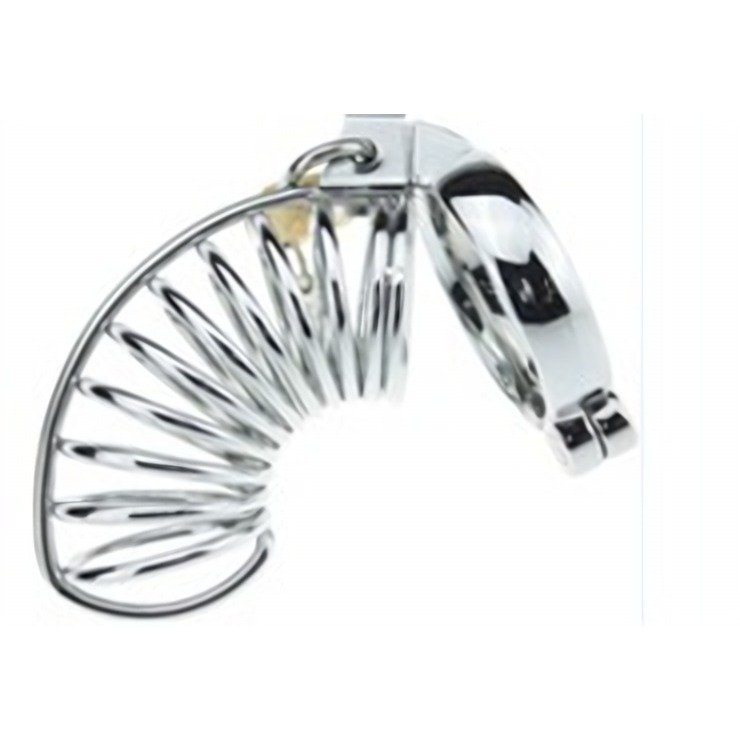
Stainless steel (304): the long-wear standard
If you plan to wear a cage daily or 24/7, steel is usually the sensible pick. It resists scratching, tolerates repeated cleaning, and its weight gives a steady sense of presence that many long-term wearers prefer. You can sanitize it thoroughly — warm water and mild soap for daily care, isopropyl alcohol or a short boil when you take it off for a deep clean.
An honest note on grades: most affordable "steel" cages on the market, ours included, are 304 stainless, not surgical 316L. We label them as 304 unless a foundry certifies otherwise, and we do not use the phrase "medical-grade" as a marketing decoration. Our own supplier confirmed in writing that every metal finish in their range contains nickel, and that they do not make a nickel-free version. If you have a nickel allergy, this material is not for you. The trade-offs are real: steel is heavier, initially cold against skin, and costs more than the alternatives.
Aluminum: light and low-cost
Anodized aluminum is the featherweight of the category — a fraction of steel's mass, often in colored finishes, at a lower price. That makes it appealing for a first, short-term experiment where you are still deciding whether caging is for you.
Be realistic about its limits. Aluminum is a soft metal: edges dent, the anodized layer wears at contact points, and small pits can develop that are harder to keep hygienic. Aggressive sterilizing (boiling) can damage the anodized coating, so cleaning has to be gentler. It is a fine starter or occasional-wear option, but it is not a lifetime cage.
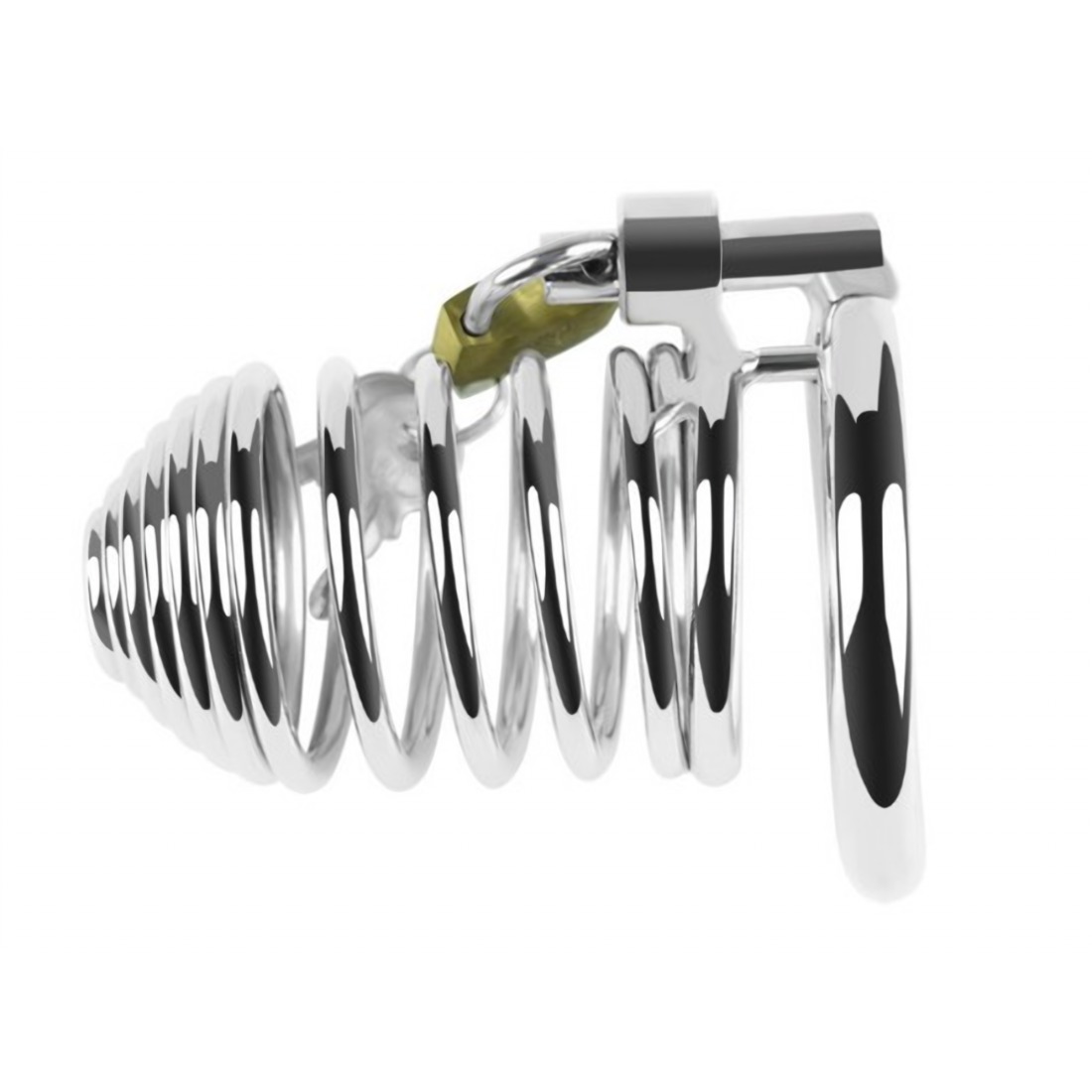
Resin, polycarbonate and plastic: the discreet option
Resin and polycarbonate cages are the lightest and warmest against the body, contain no nickel, and — because they contain no metal — the most travel-friendly. They generally will not set off a metal detector, which is why some wearers choose them for airports, sport, or sleeping.
The compromise is durability and hygiene. Plastics can crack under stress, and molded seams can trap bacteria if you are not diligent. Many resin pieces should not be boiled, so you rely on soap, water, and a suitable toy cleaner instead. For discretion, sensitive skin, or lighter wear, they are excellent; for heavy long-term use, steel still wins. Whatever the material, proper sizing is what actually keeps a cage comfortable and secure — see how to measure for a chastity cage before you buy.
Which material should you pick?
Match the material to how you will actually use it:
First-timer, short daily wear: aluminum or resin — low cost, low commitment.
Long-term or 24/7: 304 stainless steel — durability and easy sanitizing outweigh the extra weight.
Travel and discretion: resin or polycarbonate — no metal, no detector drama.
Sensitive skin or nickel concerns: resin, or well-finished stainless steel; avoid cheap raw-alloy aluminum.
Tight budget: aluminum or resin get you started without much outlay.
You can browse all of these side by side in our chastity cages collection, where each listing states the actual material honestly rather than padding the description with unverifiable claims.
Skin, allergies and the "medical-grade" myth
Two things cause far more trouble than the metal itself: poor fit and poor hygiene. A cage that is too tight or never properly cleaned will irritate skin regardless of what it is made from. If you have a known nickel allergy, do a short patch test and watch for redness or itching in the first days of wear.
Ignore any seller promising "316L medical-grade" on a budget cage without certification — the term is widely misused. Honest 304 steel, quality resin, and decent aluminum are all workable; the marketing gloss is not the safety feature. Above all, respect your circulation: remove the cage promptly if you notice numbness, cold, discoloration, or persistent pain, and keep it clean — the routine differs slightly by material, which we cover in how to clean a chastity cage. Comfort and blood flow come before any lock-up.
FAQ
Is stainless steel or aluminum better for a chastity cage?
Stainless steel (304) is more durable and easier to sanitize for long-term or 24/7 wear. Aluminum is lighter and cheaper but dents and its anodized finish wears over time, so it suits short-term or first-time use rather than lifetime wear.
Is 304 stainless steel safe to wear?
Our supplier states that every metal finish they make contains nickel and that no nickel-free version exists. If you have a known nickel allergy, this is not for you. Otherwise, do a patch test and watch for irritation. We label our steel honestly as 304, not 316L or 'medical-grade', unless it is certified.
What is the best chastity cage material for sensitive skin?
Resin or polycarbonate and well-finished stainless steel are the gentlest choices. Avoid cheap raw-alloy aluminum. Fit and hygiene cause more skin problems than the metal itself, so size correctly and remove the cage at any sign of numbness or discoloration.
Can I travel through airport security with a resin cage?
Resin and polycarbonate cages contain no metal, so they generally do not trigger metal detectors, unlike steel or aluminum. If discreet travel matters to you, a plastic or resin cage is the practical pick.