
To clean a chastity cage, rinse it daily with warm water and a mild, unscented soap, use a soft brush or cotton swab to reach inside the tube and around the ventilation slots, then dry it completely before locking back up. During long-term wear, take the cage off fully every two to three days for a deeper clean. The routine itself is simple — what keeps skin healthy and odor away is consistency, not scrubbing harder. Below is a realistic, honest routine you can actually keep.
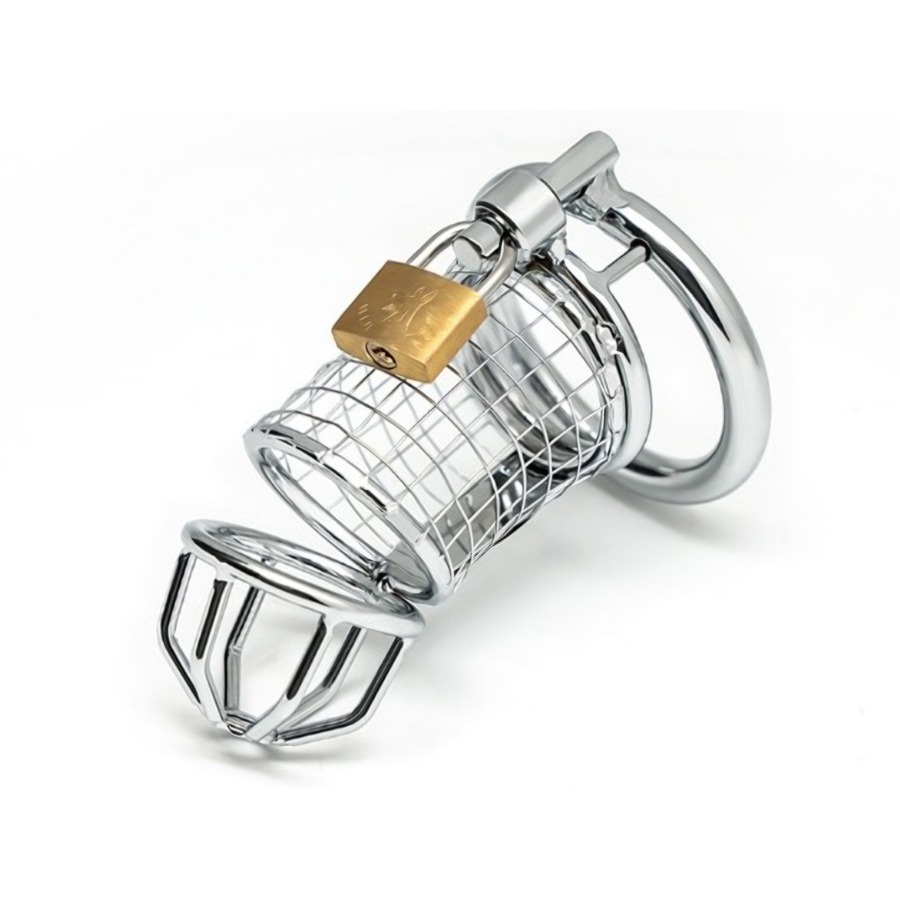
Daily cleaning while you stay locked
You don't have to unlock every day. Most people keep the cage on and clean in the shower. Let warm water run through it, work a small amount of gentle soap into the openings, and use a soft toothbrush or cotton swab to reach the tip and the slots where residue collects. Where the anatomy allows, pull back gently so water can flush underneath. Rinse until no soap remains — trapped soap is a common cause of irritation. A quick saline rinse (a pinch of salt in warm water) helps flush the tube between showers.
Deep cleaning during long-term wear
No matter how good your in-shower routine is, film and dead skin build up in places you can't reach while locked. For long-term wear, unlock and remove the cage fully at least every two to three days. Wash the cage and the ring separately with warm water and soap, paying attention to the ring's inner groove and the base of the tube, and clean your own skin thoroughly at the same time. This off-time is also when you check for pinch points, redness, or pressure marks. If you're still choosing a cage, our chastity cages guide covers breathable, easy-to-clean designs worth starting with.
Drying matters more than the wash
Moisture — not dirt — is what breeds odor and irritation. After every wash, dry the cage completely: pat it with a clean towel and let it air-dry, ideally standing so water drains out of the tube. Trapped moisture under a cage across a full day is a bigger hygiene problem than a slightly rushed wash. If you sweat heavily or live somewhere humid, dry the skin with a towel or cool hairdryer before locking back up. A dry cage stays comfortable far longer, and comfort is what keeps people wearing it correctly.
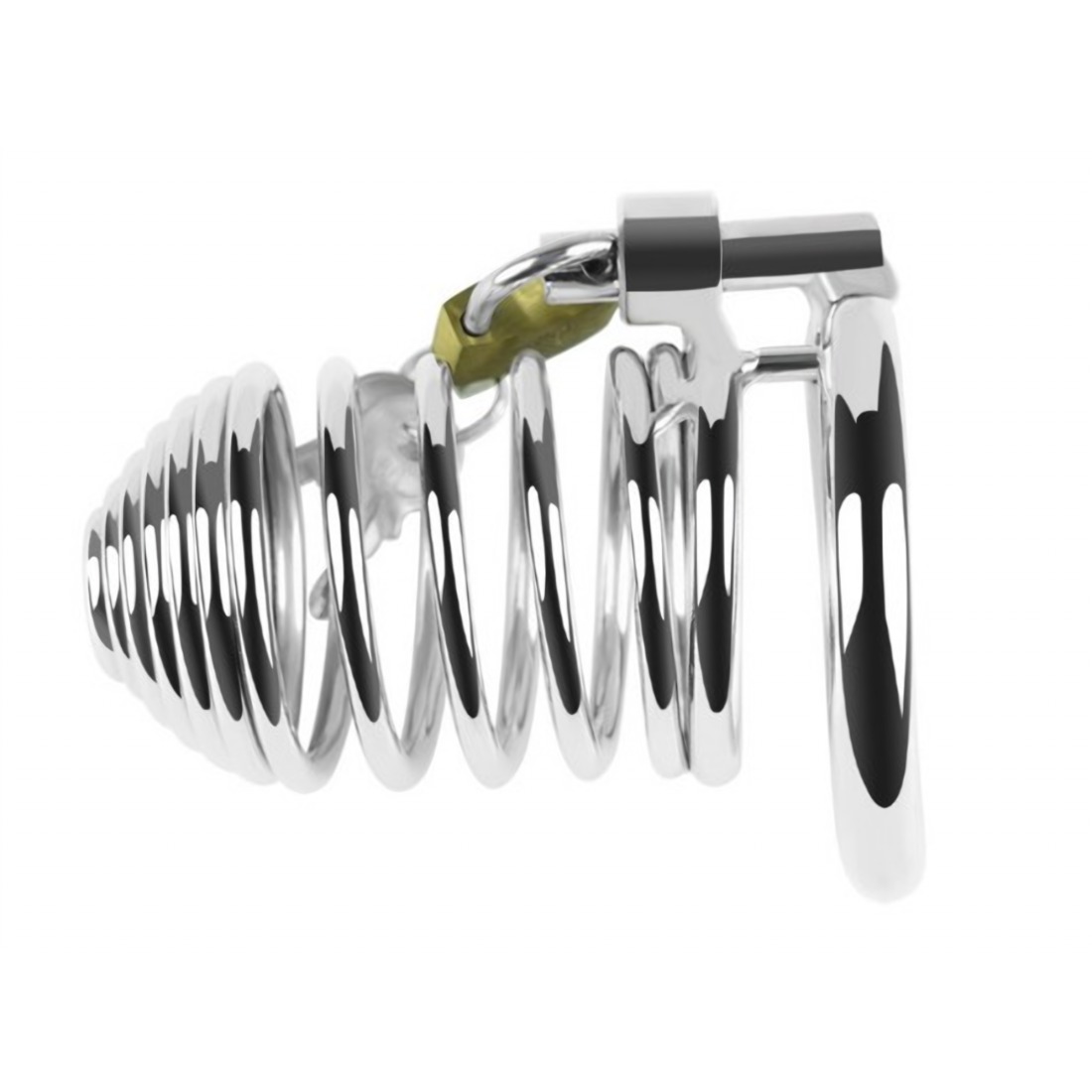
Material-specific care: steel, resin, silicone
Cleaning method depends on what your cage is actually made of, so know your material honestly. Solid stainless steel (we use 304) is the most forgiving — it tolerates hot water and cleans up easily if dried properly. Resin and polycarbonate cages are lightweight but scratch more easily, and deep scratches can trap bacteria, so treat them gently and inspect them over time. Silicone is soft and comfortable but needs thorough drying and more frequent deep cleans. Avoid abrasive scouring pads and harsh solvents on any material — they damage the finish and can leave residue against skin.
Sanitizing, and when soap isn't enough
For routine wear, warm water and mild soap are enough. When you want to sanitize — after illness, or if the cage has been stored a while — boil solid stainless steel for a few minutes, or wipe metal with 70% isopropyl alcohol and rinse well. Do not boil resin, silicone, or any cage with plastic or coated parts; heat warps them. Skip bleach on anything that touches skin. Hygiene discipline matters even more for anything that enters the body — if you also explore sounding, those tools demand proper sterilization every single time, not just a rinse.
A simple schedule that actually holds up
The best routine is the one you'll keep. A workable baseline: rinse in the shower daily, do a saline flush of the tube once a day, remove and deep-clean every second or third day, and give yourself one longer unlocked stretch each week so skin can fully recover. Keep the kit minimal — a soft brush, unscented soap, and a clean towel are enough, and storing them near the shower removes the friction that makes people skip steps. When you're ready to size up or replace worn hardware, the cage range lists materials plainly so you can match cleaning effort to the design.
Warning signs cleaning can't fix
Cleaning solves smell and comfort, not injury. Stop and unlock if you notice numbness, a blue or grey color change, persistent pain, discharge, a foul odor that returns quickly after washing, or sores. These can signal poor circulation, a wrong ring size, or infection — none of which more scrubbing will fix. Blood flow always comes before any schedule or challenge. When in doubt, take the cage off and give the area a full day to recover before deciding whether the fit is right.
FAQ
Can I shower with a chastity cage on?
Yes. Daily showering with the cage on is fine and expected. Let warm water and mild soap run through it, brush the openings and slots, then dry it well afterward.
How often should I remove the cage to clean it?
For long-term wear, take it off fully every two to three days for a deep clean, and inspect your skin at the same time. Rinse in the shower on the days between.
What soap is safe for a chastity cage?
A mild, unscented, pH-neutral soap. Avoid heavily fragranced or antibacterial soaps, which can irritate skin and leave residue inside the tube.
Can I disinfect a metal cage with alcohol or boiling water?
Solid stainless steel can be wiped with 70% isopropyl alcohol or briefly boiled, then rinsed. Never boil resin, silicone, or coated parts, and avoid bleach on skin-contact toys.