
To measure for a chastity cage you need two numbers: the base ring size and the cage length. The ring size is the inner diameter of the ring that sits behind the testicles — measure the circumference around the base of the penis and scrotum, then divide by 3.14. The cage length is your flaccid penis measured from the base (where it meets the body) to the tip. Nearly every fit problem comes down to one of these two numbers being wrong, so it is worth a few careful minutes before you buy.
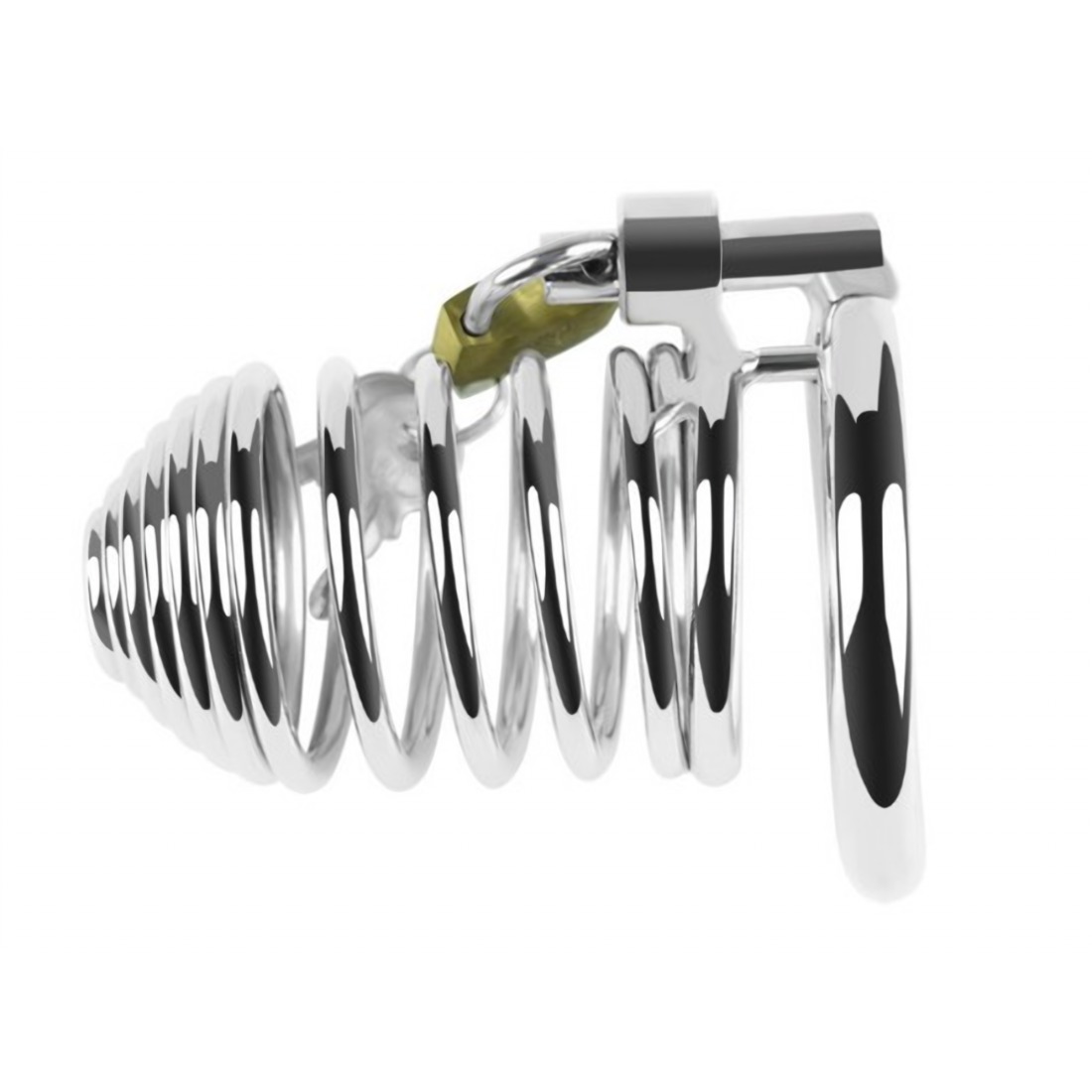
The two measurements that decide the fit
A chastity cage has two independent parts, and they are not equally forgiving. The base ring holds everything in place and is the single most important measurement: too tight and it restricts circulation, too loose and the whole device slips off. The cage (tube) length houses the penis and only needs to be comfortable, not perfect. Get the ring right first; the length has more room for error. Measure both when you are soft, relaxed, and at normal room temperature — never when aroused, because an aroused measurement produces a ring that ends up far too large.
How to measure the base ring
The reliable home method uses a thin strip of paper or a soft tape measure:
- Wrap the paper strip (or a piece of string) around the base of both the penis and scrotum, behind the testicles, exactly where the ring will rest.
- Mark where it overlaps and measure that length in millimetres — this is the circumference.
- Divide the circumference by 3.14 to get the inner diameter. Example: 130 mm circumference ÷ 3.14 ≈ 41 mm diameter.
If you already own a ring that fits well, skip the maths and simply measure its inner diameter. Most kits ship with three to five ring sizes (commonly 40, 45, 48 and 50 mm) so you can fine-tune after the device arrives. A correctly sized ring feels secure but never pinches — you should be able to slip a fingertip underneath it without force.
How to measure cage length
Measure your flaccid penis from the base to the tip. Lay a ruler flat along the top of the shaft and read the length. This is your reference for the tube. Choose a cage length equal to or slightly shorter than your flaccid measurement. A cage that is too long leaves an empty gap at the tip, which reduces both security and comfort; most people find a snug tube more effective and less prone to pinching at the opening. Length is a comfort preference rather than a safety limit, so there is genuine room to experiment here.
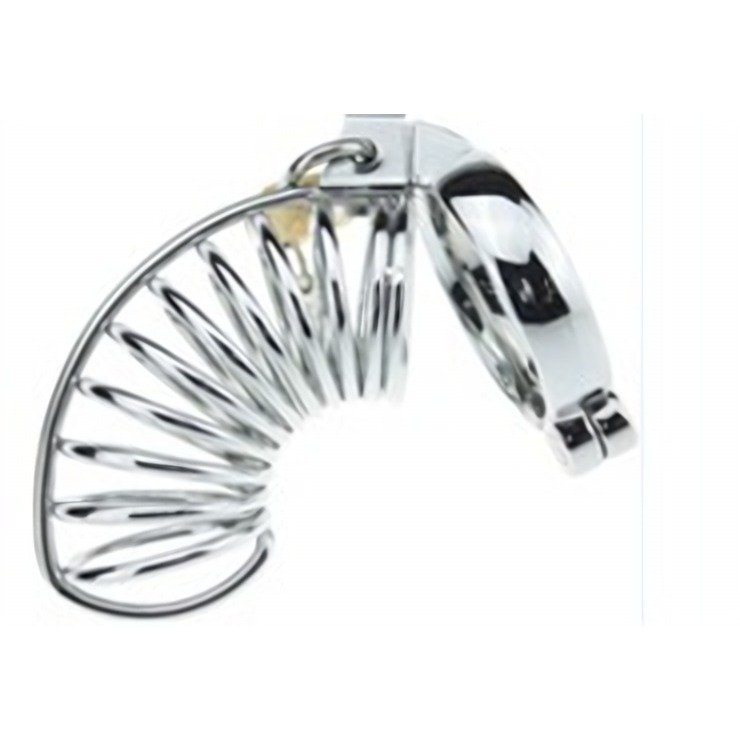
How tight should the ring be?
Snug, not constricting. The ring should stay in place during normal movement without leaving deep marks or turning the skin pale. A useful test: once fitted, you should still be able to work a fingertip between the ring and your skin. Remember that you will have erections overnight — this is normal and healthy — so a ring on the slightly larger side of your measurement is more forgiving in the first weeks. Many wearers keep two ring sizes on hand: a firmer one for daytime and a looser one for sleep.
Reading a size chart
With your two numbers in hand, matching a chart is simple. Ring diameter is listed in millimetres; cage length in millimetres or inches. Beginners usually do best with a mid-length, ventilated cage and a ring on the roomier side — airflow and comfort matter far more than a tight fit while you are still adjusting. You can compare fitted options and starter kits on our chastity cages collection, where every listing states its actual ring options and internal length as measured, with no inflated material or size claims. If you are buying ahead of a shared challenge such as Locktober, order early so there is time to swap a ring size if the first choice is not quite right.
Common mistakes and safety
The most frequent error is choosing a ring that is too small in the belief that tighter means more secure. It does not — an over-tight ring restricts blood flow. Remove the device immediately if you notice numbness, a cold sensation, a colour change (pale, blue, or dark), swelling, or persistent pain. These are signs the fit is wrong, not signs of a "break-in" period to push through. Other common mistakes: measuring while aroused (ring too big), ignoring nighttime erections (size up slightly), and buying a very short "trainer" cage before you are used to wearing one. Take both measurements twice on different days and average them — a comfortable, secure fit is one you can almost forget you are wearing, and that always starts with two honest numbers. Browse sized options on the cages collection once you know yours.
FAQ
Should I measure for a chastity cage when erect or flaccid?
Always measure flaccid and relaxed, at normal room temperature. Cage length is based on your flaccid penis, and the base ring should be measured soft too. Measuring while aroused gives a ring that ends up far too large once you settle.
What size chastity cage ring do I need?
Wrap a paper strip around the base of the penis and scrotum behind the testicles, measure that circumference in millimetres, and divide by 3.14 to get the inner diameter. Most starter kits include several ring sizes so you can fine-tune the fit after arrival.
How do I know if my chastity cage ring is too tight?
If you notice numbness, a cold feeling, colour change (pale, blue or dark), swelling, or ongoing pain, the ring is too tight. Remove it immediately. A correct ring lets you slip a fingertip underneath and never leaves deep marks.
What cage length is best for beginners?
Choose a length equal to or slightly shorter than your flaccid measurement, and pick a mid-length ventilated cage. Comfort and airflow matter more than a tight fit while you adjust, and you can size down later as you get used to wearing it.