
The best Holy Trainer alternatives are stainless steel chastity cages: they typically cost noticeably less, last far longer, and come in a wider spread of ring and length sizes. Holy Trainer earns its reputation for light, skin-friendly resin, but you pay a brand premium, and resin can crack or discolour over time. If you want the same secure lock-up for less money, a well-machined metal cage is the honest answer — as long as you get the fit right rather than just copying your old size.
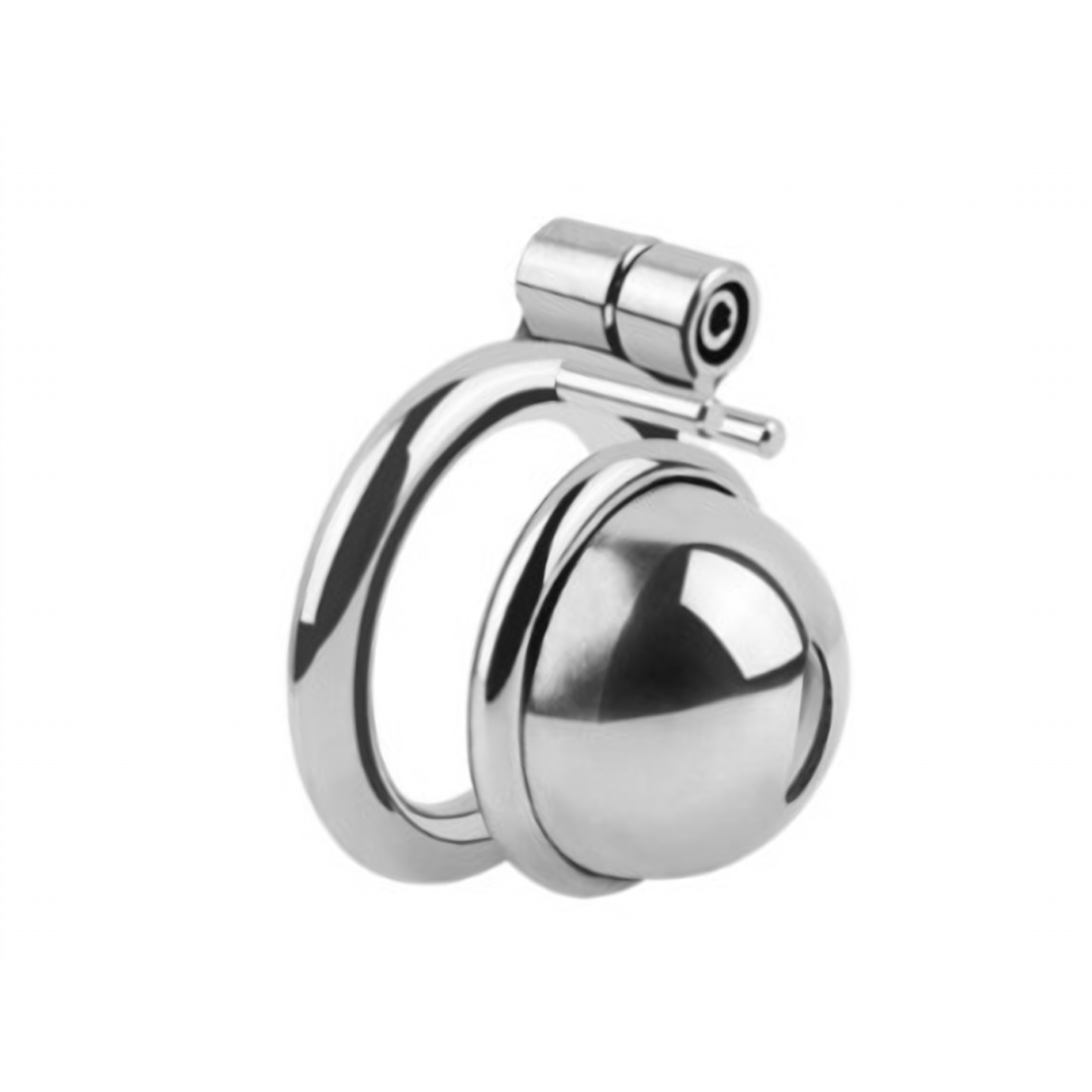
What Holy Trainer gets right, and where it falls short
Credit where it is due. Holy Trainer is a Belgian brand built around a lightweight resin. It is genuinely comfortable for long wear, warm to the touch, and easy to conceal under clothing. Those are real strengths, and if budget were no object it would be a fine choice.
The weak points are just as real. It is expensive, often two to three times the price of a comparable metal cage. Resin is softer than metal, so it can develop hairline cracks or yellow slightly with heat, oil-based lube, and age. And because the brand is so recognisable, a suspiciously cheap "Holy Trainer" from a marketplace is usually an unbranded clone anyway — so you may as well choose a metal alternative deliberately instead of gambling on a fake.
Metal vs resin: what you actually trade
The honest trade-off is weight, temperature, and durability. A metal cage is heavier. Some wearers like the constant reminder; others find it tugs a little during a long day. Metal is cold on first contact but warms to body temperature within minutes. It will not crack, will not yellow, and wipes clean easily.
One point of honesty on materials: a lot of budget cages are labelled "316L surgical steel" when they are actually 304 stainless or an unmarked alloy. That does not make them unsafe — 304 stainless is well tolerated by most people — but do not pay a premium for a marketing label. We describe our chastity cages by the material they are actually made from, nothing inflated.
The main types of alternative
Stainless steel cages are the value pick: durable, easy to clean, and the widest sizing range. Aluminium cages are lighter than steel while still being solid metal, a middle ground if the weight of steel puts you off. Resin or polycarbonate clones mimic the Holy Trainer look for less, but quality varies a lot between sellers, and the cheapest ones can have rough seams. Whatever you pick, check that the ring edges are smooth and the base ring is a comfortable, correct diameter.
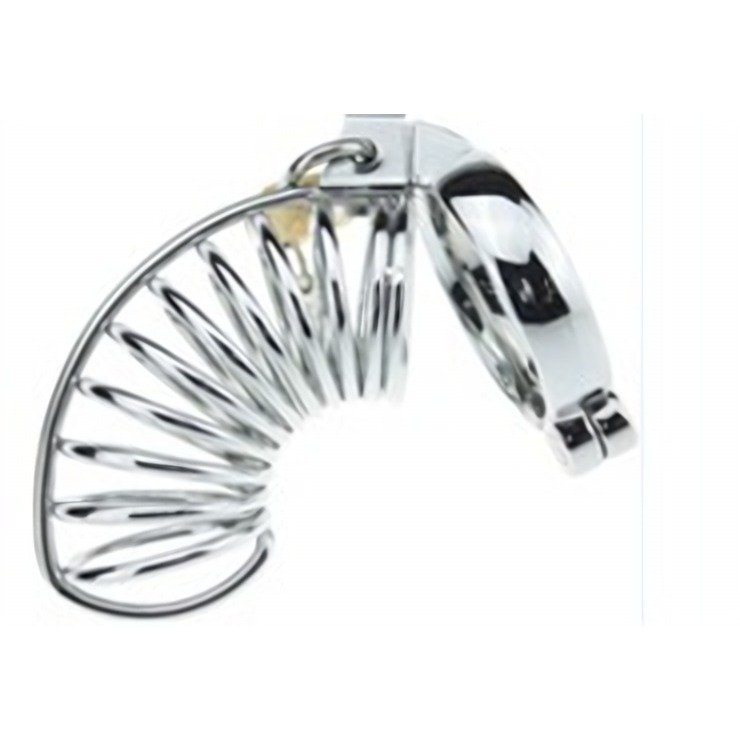
Do not just copy your Holy Trainer size
This is where most returns come from. Ring diameter and cage length do not map one-to-one between brands, so the number that fit your Holy Trainer will not automatically fit a metal cage. Measure yourself fresh: soft-flaccid girth for the base ring, and a relaxed length for the cage. If you are unsure, size the ring slightly larger rather than smaller.
Safety comes before everything else here. A base ring that is too tight restricts blood flow. Numbness, colour changes (pale or bluish), persistent swelling, or pain that does not settle mean you remove the cage immediately. A correctly fitted cage should be noticeable but never painful.
Price and paying discreetly
Metal alternatives commonly land well under Holy Trainer's price for comparable build quality, which is the main reason people switch. Because this is a private purchase, NoxLure ships in plain, unmarked packaging and supports paying with crypto (USDT) so nothing sensitive appears on a card statement. That privacy is not a gimmick — for many buyers it is the whole point.
Fit and safety win before savings
A cheaper cage only wins if it actually fits and stays comfortable. Keep your first lock-ups short while you learn how your body responds. Clean the cage regularly and dry it fully to avoid irritation. And stop straight away if you get numbness, sharp pain, or skin that will not recover — no session or price is worth an injury. When you are ready, browse the full range of metal chastity cages and match the material and size to your own body, not to the brand on the box.
FAQ
Is a metal cage better than a Holy Trainer?
It depends on what you value. Holy Trainer resin is lighter and warmer to the touch, while a metal cage is more durable, easier to clean, cheaper for comparable quality, and comes in more sizes. Metal is heavier, which some wearers prefer and others do not.
Are cheap Holy Trainer alternatives safe?
A well-made metal cage in 304 stainless steel is safe for most people, as long as the ring edges are smooth and the fit is correct. Avoid cages with rough seams, and never choose safety over the correct base-ring size. Remove immediately if you notice numbness, swelling, or colour changes.
Can I use my Holy Trainer size for a metal cage?
No. Ring diameter and cage length are not standardised between brands, so you should measure yourself again rather than copy the number that fit your Holy Trainer. When in doubt, size the ring slightly larger.
Why do metal alternatives cost less than Holy Trainer?
You are not paying for a well-known brand name. A comparable machined stainless steel cage often costs a fraction of the resin original while lasting longer, which is the main reason people switch.