
A keyholder is the person you hand your chastity key to — the one who decides when, and whether, the cage comes off. It might be a partner in the same bed or someone a time zone away. The role runs on one thing: trust that has been talked through in advance, never assumed. Handing over a key is a small gesture with real consequences, which is why the conversation around it matters far more than the hardware.
What a keyholder actually does
In practice, a keyholder holds the authority to unlock — and agrees to use it responsibly. That can mean setting a release date, assigning tasks, or simply being the reason the wearer stays locked. It does not mean owning the wearer's body or ignoring their limits. A good keyholder pays attention: to check-ins, to comfort, and to the difference between a hard day and a real problem. The dynamic is consensual on both sides, and either person can end it at any point. The cage is a prop; the agreement between two adults is the actual practice.
Trust is negotiated, not assumed
Before anything locks, both people should be clear on what they are agreeing to. How long? What counts as a valid reason for release? Who initiates check-ins? What happens if life gets in the way — travel, illness, a bad week? Writing this down, even as a short shared note, removes guesswork later. Trust in chastity is not blind faith; it is the result of a specific conversation that leaves little room for misunderstanding. If a request feels wrong to the wearer, that is information worth raising, not disobedience to hide.
Writing the rules together
Rules work best when they are built together and kept realistic. Common ones include a lock-up duration, permitted hygiene breaks, conditions for release, and boundaries around teasing or tasks. Start short. A first agreement of a few days teaches both people more than an ambitious month that gets abandoned on day two. Revisit and renegotiate rules openly rather than bending them in the heat of the moment. And keep one rule non-negotiable: physical safety always overrides the fantasy, every time, no exceptions.
Safe words, check-ins, and hard limits
Safety comes first. Agree on a safe word or signal that plainly means "unlock now, no questions." Set regular check-ins so the wearer can report fit, comfort, and circulation. Remove the device immediately for pain, numbness, discoloration, swelling, or broken skin — these are not things to push through, and no dynamic is worth an injury. Even in strict arrangements, an emergency key or backup access should exist and stay reachable. A responsible keyholder treats a stop request as final, not as a challenge to test.
Keyholding at a distance
Long-distance keyholding is common and workable. The wearer keeps the physical key sealed away — a tamper-evident bag, a lockbox with a combination the keyholder controls, or a numbered tag photographed at lock-up. Trust and honesty carry the arrangement where physical presence cannot. Some couples add scheduled photo check-ins or app-based timers to keep it structured. Whatever the method, the safety rule does not change: the wearer must always be able to reach a real key in a genuine emergency, no matter how strict the fantasy of "no access" feels in the moment.
The gear that makes it comfortable
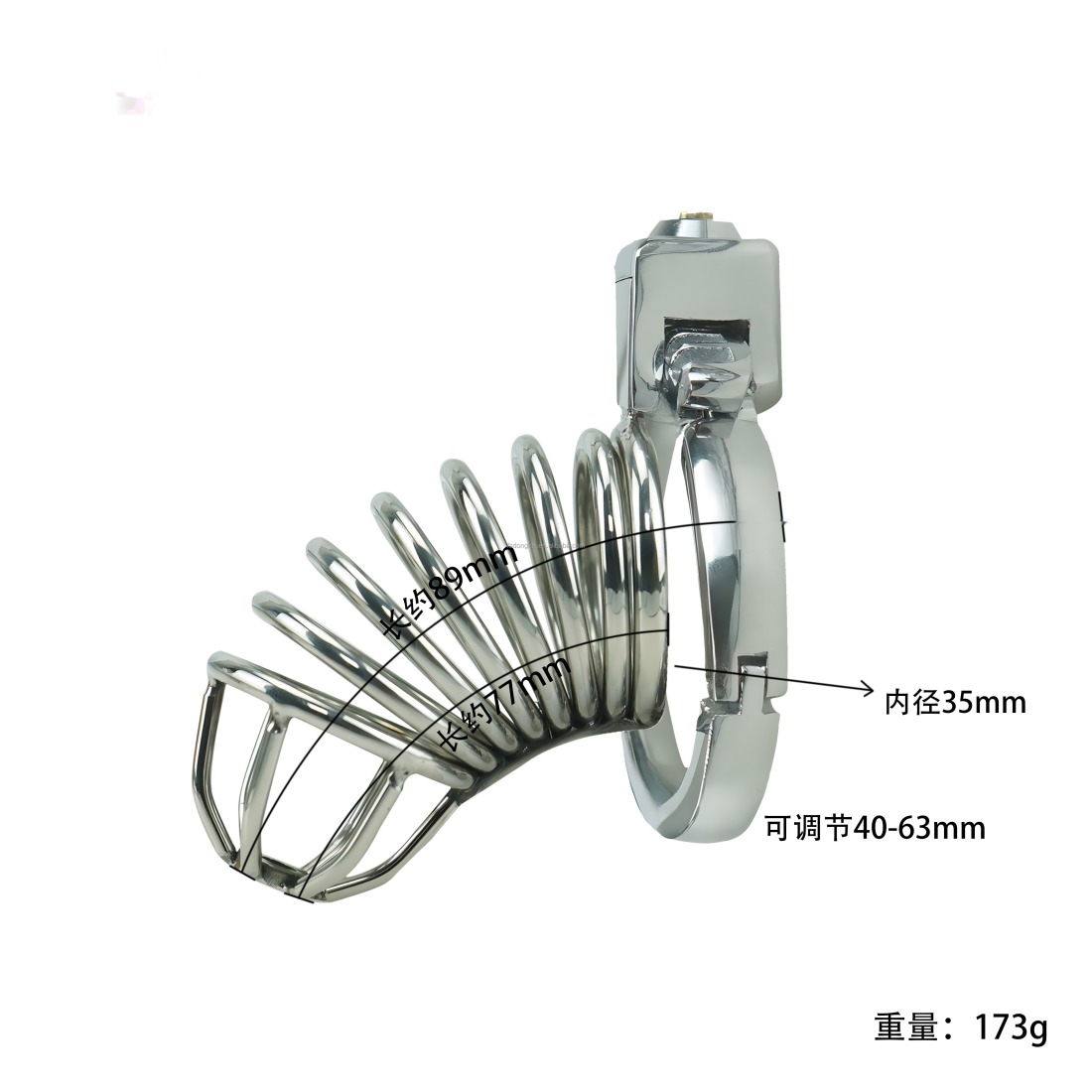
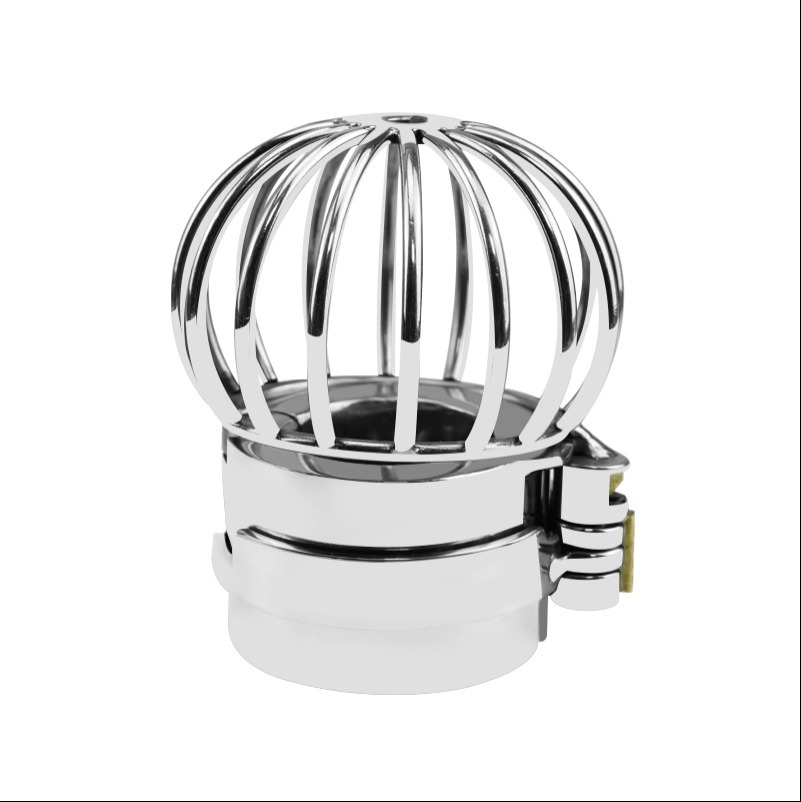
Comfort over long wear depends on fit and material as much as willpower. A device that measures correctly is the difference between forgettable and unbearable; the wrong ring size usually shows up within hours. If you are choosing hardware for a keyholder dynamic, start with well-fitted metal chastity cages and be honest about sizing rather than optimistic. Some experienced players later explore related practices such as urethral sounding — a separate, advanced activity with its own strict hygiene and safety requirements, not a beginner step. Whatever you buy, materials should be described honestly and cleaned properly between wears.
Keyholding, at its best, is quieter than the fantasy suggests: two adults who agreed on the terms, wrote down the limits, and kept talking. The lock is the easy part. The trust is the work — and it is what makes handing over a key feel less like risk and more like intimacy on purpose.
FAQ
What is a keyholder in chastity?
A keyholder is the person you give control of your chastity device's key to. They decide when the cage comes off, within limits both people agreed on beforehand. The role is consensual and can be ended by either partner at any time.
Can a keyholder dynamic work long-distance?
Yes. The wearer keeps the physical key sealed or locked away while the keyholder controls release remotely through honesty, check-ins, timers, or combinations. A reachable emergency key must always exist regardless of distance.
Should the keyholder hold the only key?
For safety, no. Even in strict dynamics, keep a backup or emergency key accessible to the wearer. Chastity play should never remove the ability to unlock quickly if pain, numbness, or a medical issue occurs.
What safety rules matter most in keyholding?
Agree on a safe word, schedule regular check-ins, and remove the device immediately for pain, numbness, discoloration, or swelling. Correct ring and cage sizing prevents most problems, and physical safety always overrides the arrangement.